How an airline with legacy of punctuality ended up in cancellation of many flights in a single week: The story of Indigo Airlines
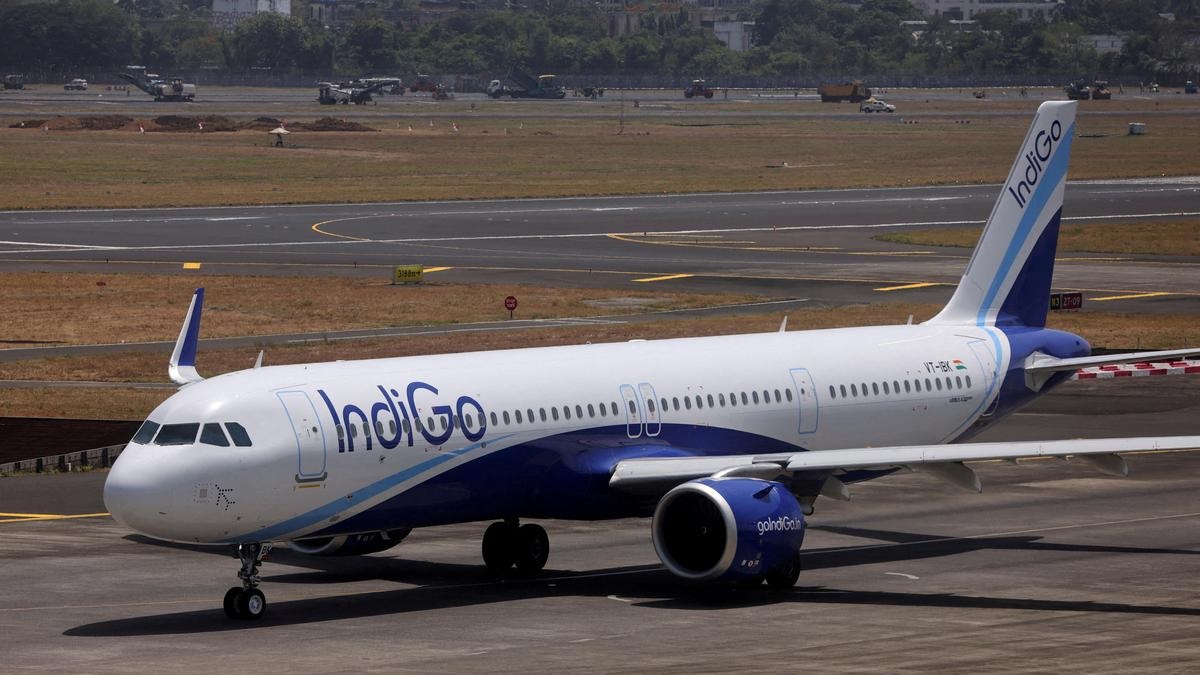
Shabna Haris, who regularly flew with IndiGo from Pune to her hometown of Kannur, stated that her experience was excellent. She noted that the staff is generally helpful at the airport, and they are lenient regarding luggage that slightly exceeds the allowance. She emphasized that the airline's key strength is its punctuality, stating that she has never encountered any issues. Hashir, an expatriate based in the UAE, echoed similar positive feedback regarding IndiGo.
Given the overwhelmingly positive feedback from seasoned travelers, the recent spate of flight cancellations raises a critical question: What led to this particular airline's crisis last week, and why did the media and the judiciary intervene?
The Rise of IndiGo
IndiGo was co-founded by Rahul Bhatia and Rakesh Gangwal in 2005, launching its first service on August 4, 2006. At the time, India's private airline sector was characterized by domestic and international carriers offering cheap fares—a significant draw for expatriate workers. However, these airlines often compromised on punctuality and hospitality, frequently cancelling flights without prior notice and failing to adhere strictly to the rules and regulations set by the DGCA (Director General of Civil Aviation). The government often overlooked these lapses, largely because the airlines were owned by major corporate entities.
IndiGo distinguished itself by focusing keenly on punctuality. The airline consistently took off and landed on time, offered affordable fares, and provided excellent hospitality. This commitment quickly made IndiGo a preferred choice, leading to its emergence as one of India's best airlines within just two decades.
However, this legacy of reliability underwent a drastic change last week, a fallout attributed to a new regulatory measure introduced by the DGCA.
Changing the Duty Time of Pilot
Every country has specific regulations for monitoring the duty and rest times of pilots and cabin crew. While India had such rules, they were often theoretical. Airline companies prioritized maximizing services with a limited pool of pilots, frequently disregarding these mandates. This practice was a contributing factor in several aviation incidents in India.
For instance, pilot fatigue and over-duty stress led to decisions such as cancelling the standard go-around procedure, resulting in crash landings. There were also instances where pilots avoided diverting to alternative airports during bad weather, fearing negative repercussions on airline schedules. Furthermore, pilots in emergency situations were sometimes pressured to land at specific airports where the airline's ground staff was available.
To address these safety concerns, the DGCA decided in 2025 to upgrade the weekly resting hours for pilots from 36 hours to 48 hours. The implementation of this new order directly triggered the subsequent crisis for IndiGo.
The IndiGo Issue
Between December 1 and 9, IndiGo was forced to cancel nearly 4920 domestic services and 64 international services. This massive disruption was a direct result of the pilot shortage caused by the scheduling impact of the new DGCA order. Numerous other flights were also significantly delayed.
The situation provoked widespread public outcry, leading to intervention from the media, the government, and the judiciary. The court criticized the central government for its lack of serious engagement with the matter. While some parties alleged that IndiGo had deliberately manufactured the disruption to pressure the government into revoking the new order, the airline's chairman, Vikram Singh Mehta, firmly denied this, calling it a false allegation. IndiGo subsequently announced that it would provide compensation to all passengers who were affected by the cancellation in January.
In response to the crisis, the DGCA suspended four flight operation inspectors and questioned the airline's CEO and COO. Meanwhile, IndiGo appointed aviation expert Captain Johan Illson to investigate the root cause of the specific issue. By December 9, the airline successfully stabilized its operations, resuming its regular schedule of 2,100 services to 138 destinations.
summary: indigo airlines flight cancellations affected hundreds of passengers in a single week, surprising travelers used to its punctual reputation. airline cites operational challenges and staff shortages as reasons. industry analysts warn such disruptions could impact customer trust, bookings, and the carrier’s image if corrective measures are not implemented quickly.
Comments (0)
Disclaimer: "The website reserves the right to moderate, edit, or remove any comments that violate the guidelines or terms of service."RELATED NEWS
തോറ്റെങ്കിലും വാക്ക് പാലിച്ചു: സ്വന്തം ചെലവിൽ അഞ്ച് കുടുംബങ്ങൾക്ക് വഴി നിർമ്മിച്ചു നൽകി യുഡിഎഫ് സ്ഥാനാർഥി
Kerala
• 9 hours ago
അനധികൃത മത്സ്യബന്ധനം: പിടിച്ചെടുത്ത മീൻ ലേലം ചെയ്ത് 1.17 ലക്ഷം സർക്കാർ കണ്ടുകെട്ടി, ബോട്ടുടമയ്ക്ക് 2.5 ലക്ഷം രൂപ പിഴയും ചുമത്തി
Kerala
• 9 hours ago
കാസർകോട് അടുപ്പിൽ നിന്ന് തീ പടർന്ന് വീട് പൂർണ്ണമായി കത്തി നശിച്ചു; ഒമ്പത് അംഗ കുടുംബം രക്ഷപ്പെട്ടത് തലനാരിഴയ്ക്ക്
Kerala
• 9 hours ago
മദ്യലഹരിയിൽ പൊലിസ് ഉദ്യോഗസ്ഥൻ ഓടിച്ച കാർ വാഹനങ്ങൾ ഇടിച്ചുതെറിപ്പിച്ചു; പാണ്ടിക്കാട് വൻ പ്രതിഷേധം, ഉദ്യോഗസ്ഥൻ കസ്റ്റഡിയിൽ
Kerala
• 10 hours ago
ദുബൈ വിമാനത്താവളത്തിലെ ഏറ്റവും തിരക്കേറിയ ദിവസം ഡിസംബറിലെ ഈ ദിനം; യാത്രക്കാർക്ക് മുന്നറിയിപ്പുമായി അധികൃതർ
uae
• 10 hours ago
ജോലി വിട്ടതിന്റെ വൈരാഗ്യം: അസം സ്വദേശിനിയെ തമിഴ്നാട്ടിൽ കൂട്ടബലാത്സംഗം ചെയ്തു; മൂന്നുപേർക്കെതിരെ കേസ്
National
• 10 hours ago
ഹൃദയാഘാതം സംഭവിച്ച ഭർത്താവിനെ ആശുപത്രിയിലേക്ക് കൊണ്ടുപോകവേ അപകടം; സഹായത്തിനായി കൈകൂപ്പി ഭാര്യ, കണ്ടില്ലെന്ന് നടിച്ച് വഴിയാത്രക്കാർ
National
• 10 hours ago
വയനാട്ടിൽ കടുവാഭീഷണി: വിദ്യാഭ്യാസ സ്ഥാപനങ്ങൾക്ക് അവധി പ്രഖ്യാപിച്ചു
Kerala
• 10 hours ago
തീരാക്കടം; ഒരു ലക്ഷം രൂപ 74 ലക്ഷമായി, ഒടുവിൽ കിഡ്നി വിറ്റു: നീതി തേടി അധികൃതരെ സമീപിച്ച് കർഷകൻ
Kerala
• 11 hours ago
കുട്ടികൾക്ക് സോഷ്യൽ മീഡിയ വിലക്ക്; ഓസ്ട്രേലിയയുടെ നടപടി മാതൃക എന്ന് പറയാൻ കാരണം പലതുണ്ട്
Tech
• 11 hours ago
വിസി നിയമനത്തിൽ സമവായം: ഗവർണറുടെ നിർദ്ദേശം അംഗീകരിച്ചു; സജി ഗോപിനാഥ് ഡിജിറ്റൽ യൂണിവേഴ്സിറ്റി വിസി, സിസ തോമസ് കെടിയു വിസി
Kerala
• 11 hours ago
തൃശ്ശൂരിൽ പ്ലസ് ടു വിദ്യാർഥിനി തീപ്പൊള്ളലേറ്റ് മരിച്ച നിലയിൽ; ദുരൂഹത
Kerala
• 11 hours ago
എഡിഎം നവീൻ ബാബുവിന്റെ മരണം: തുടരന്വേഷണം ആവശ്യപ്പെട്ട് ഹരജി; എസിപി രത്നകുമാറിനെതിരെ ഗുരുതര ആരോപണം
Kerala
• 12 hours ago
ശബരിമല സ്വർണക്കൊള്ള: മുൻകൂർ ജാമ്യം തേടി മുൻ ദേവസ്വം സെക്രട്ടറി ജയശ്രീ സുപ്രിം കോടതിയിൽ
Kerala
• 12 hours ago
ബോണ്ടി ബീച്ച് വെടിവയ്പ്പിലെ പ്രതി ഹൈദരാബാദ് സ്വദേശി; ആസ്ത്രേലിയയിലേക്ക് പോയത് 27 വർഷം മുമ്പ്
International
• 13 hours ago
'എന്താണ് വിശേഷം, സുഖമാണോ?': ബസ്സിൽ കയറിയ യാത്രക്കാരനെ കണ്ട് ഞെട്ടി ഡ്രൈവറും മറ്റുള്ളവരും; വീഡിയോ
uae
• 13 hours ago
മെസിയുടെ 'ഗോട്ട് ടൂർ' കോലാഹലത്തിന് പിന്നാലെ പശ്ചിമ ബംഗാളിൽ രാഷ്ട്രീയ നീക്കം: കായിക മന്ത്രി രാജിവച്ചു
National
• 14 hours ago
അടുത്ത നാല് കളിയിൽ പൂജ്യത്തിന് പുറത്തായാലും അവനെ ഇന്ത്യ ഒഴിവാക്കില്ല: കൈഫ്
Cricket
• 14 hours ago

2026 ജനുവരി മുതൽ ഒറ്റത്തവണ ഉപയോഗിക്കാവുന്ന പ്ലാസ്റ്റിക് വസ്തുക്കൾ നിരോധിക്കാൻ യുഎഇ; ഒഴിവാക്കുന്നത് എന്തെല്ലാം?
uae
• 12 hours ago
ജഡേജയുടെ പിൻഗാമി? 30 ലക്ഷത്തിൽ നിന്ന് 14.20 കോടിയിലേക്ക്; പ്രശാന്ത് വീറിനെ സ്വന്തമാക്കിയ ചെന്നൈയുടെ ലക്ഷ്യമിത്
Cricket
• 13 hours ago
പരിശീലനത്തിനിടെ വൈകല്യം സംഭവിച്ച സൈനികർക്ക് ആശ്വാസം: പുനരധിവാസ പദ്ധതി ആറാഴ്ചയ്ക്കകം സമർപ്പിക്കാൻ കേന്ദ്രത്തോട് സുപ്രിം കോടതി
National
• 13 hours ago