Samastha Moves Supreme Court: Seeking Contempt Action Over Failure to Curb Mob Lynching and Hate Speech
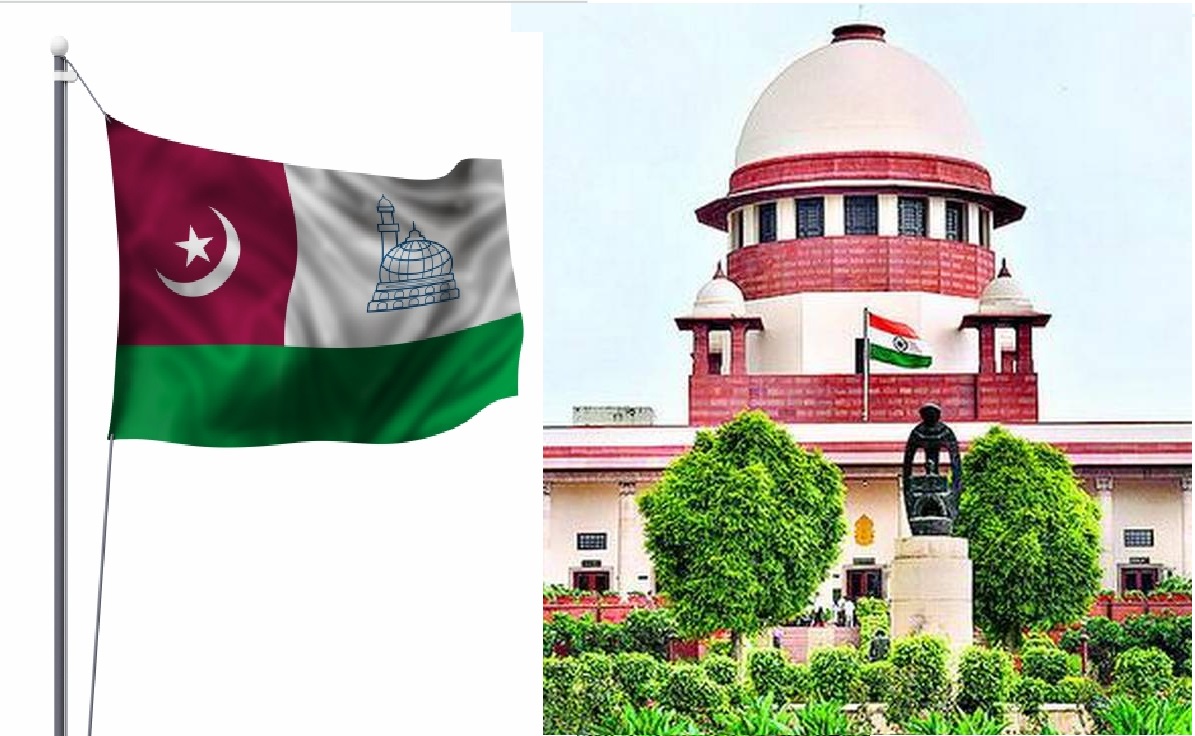
New Delhi : Leading religious organization Samastha Kerala Jem-iyyathul Ulama has approached the Supreme Court of India, filing a petition to initiate contempt of court proceedings against states that have failed to implement judicial directives to control mob lynching. Despite landmark guidelines issued by the apex court in 2018, the petition alleges that several state governments have demonstrated gross negligence in preventing these communal and targeted attacks.
Background: The Tehseen Poonawalla Mandate:
In 2018, following a petition by activist Tehseen Poonawalla, the Supreme Court issued a comprehensive set of directions to state governments. The court emphasized that mob lynching and "horrendous acts of mobocracy" disrupt the peaceful fabric of civil society and cannot be allowed to become the "new normal." However, Samastha argues that seven years later, hate speech and mob violence against minority communities continue to rise, particularly in northern states like Bihar.
The petition, filed by Samastha’s Secretary Ali Kutty Musliyar, specifically names officials such as Bihar’s DGP Vinay Kumar and Additional Chief Secretary Aravind Kumar as respondents.
Key Directives Issued by the Supreme Court:
To combat the rising tide of vigilantism, the Supreme Court’s 2018 order outlined specific preventive, remedial, and punitive measures:
Appointment of Nodal Officers: Every district must appoint a Nodal Officer, no lower than the rank of Deputy Superintendent of Police (DSP), to oversee the prevention of mob violence.
Special Task Forces: State governments are required to form special task forces to gather intelligence on potential mob violence and monitor the spread of hateful content on social media.
Identification of Sensitive Areas: Governments must document and identify districts, villages, and specific areas where incidents of lynching have occurred over the last five years.
Intelligence and Monthly Meetings: Nodal Officers must hold monthly meetings with local intelligence units to identify trends and potential threats to communal harmony.
High-Level Review: The Director General of Police (DGP) and Home Department secretaries are mandated to analyze reports on mob lynching cases every three months.
Patrolling and Deterrence: DGPs must issue circulars to superintendents to increase police patrolling in sensitive areas to ensure that potential perpetrators fear the law.
Use of CrPC Section 129: Police are duty-bound to use Section 129 of the CrPC to disperse any assembly that may lead to violence.
Public Awareness Campaigns: Both central and state governments must use TV, radio, and social media to broadcast the legal consequences of mob lynching.
Immediate Legal Action: FIRs must be filed immediately against individuals sharing inflammatory content that could trigger communal violence.
Recent Incidents Highlighting State Failure:
The petition argues that the recent spike in violence in Bihar serves as evidence of the state’s failure to adhere to the court’s instructions. Notable cases cited include:
1. December 2024 (Nawada): Muhammed Athar Hussain, a dress merchant, was beaten to death by a mob using a heated iron rod.
2. January 8, 2025 (Aurangabad): A Muslim worker named Vaseem was killed by a mob after he reportedly drank water from a temple.
3. Saran District: Zakir Khuarish was killed by a mob of 60 to 70 people over allegations of cow theft.
4. June 6, 2025 (East Champaran): Sheikh Vajul Haq Sahib was attacked and killed by a mob inside his own home in Fulvariya Village.
5. August 28, 2025 (Nawada): Gaya Manji and his wife Samudri were attacked over allegations of "black magic"; Manji succumbed to his injuries.
The Impact on Social Harmony:
Samastha’s petition highlights that this "continuing cycle of violence" proves that the state machinery is not taking the necessary precautions mandated by the law. By failing to appoint effective nodal officers or curb hate speech, the petition argues that the irresponsibility of state authorities is directly harming communal harmony and the peaceful atmosphere of the country.
The plea asks the Supreme Court to hold the responsible officials accountable for their inaction, asserting that without strict contempt action, the guidelines meant to protect the lives of citizens will remain only on paper.
Comments (0)
Disclaimer: "The website reserves the right to moderate, edit, or remove any comments that violate the guidelines or terms of service."RELATED NEWS

ബെർലിനിലെ കണ്ണീരും നിലയ്ക്കാത്ത ശാപവും: സിദാൻ നടന്നകന്ന വഴിയിൽ ഇറ്റലിയൻ ഫുട്ബോൾ തകർന്നു വീഴുമ്പോൾ; In-Depth Story
Football
• 6 days ago
ദുബൈയിലെ സ്വർണ്ണവിലയിൽ കുതിപ്പ്; 2008-ന് ശേഷമുള്ള ഏറ്റവും വലിയ ഇടിവിൽ നിന്ന് വിപണി കരകയറുന്നു
uae
• 6 days ago
എല്.പി.ജി സിലിണ്ടര് വില വീണ്ടും കൂട്ടി; വാണിജ്യ സിലിണ്ടറിന് വര്ധിച്ചത് 195.50 രൂപ
National
• 6 days ago
മുജ്തബ ഖാംനഈ ഭൂഗർഭ ബങ്കറിൽ സുരക്ഷിതൻ; നിർണ്ണായക വിവരങ്ങൾ പുറത്തുവിട്ട് ഇറാനിലെ റഷ്യൻ അംബാസഡർ
International
• 6 days ago
ഫുജൈറയിൽ ഡ്രോൺ അവശിഷ്ടങ്ങൾ കൃഷിയിടത്തിൽ പതിച്ച് ബംഗ്ലാദേശ് പൗരൻ കൊല്ലപ്പെട്ടു
uae
• 6 days ago
ക്രൈമിയയിൽ റഷ്യൻ സൈനിക വിമാനം തകർന്നു വീണു: 29 മരണം; സാങ്കേതിക തകരാറെന്ന് പ്രാഥമിക നിഗമനം
International
• 6 days ago
യുഎഇയിൽ ഞായറാഴ്ച വരെ അസ്ഥിര കാലാവസ്ഥ തുടരും; മഴയ്ക്കും മൂടൽമഞ്ഞിനും സാധ്യത
uae
• 6 days ago
ഗോവയില് പാരാസെയിലിങിനിടെ കേബിള് പൊട്ടി സഞ്ചാരി കടലില് വീണു; നടുക്കുന്ന ദൃശ്യങ്ങള് പുറത്ത്
National
• 6 days ago
യുവനടിയുടെ പീഡന പരാതി: സംവിധായകൻ രഞ്ജിത്ത് റിമാൻഡിൽ; എറണാകുളം സബ് ജയിലിലേക്ക് മാറ്റും
crime
• 6 days ago
പശ്ചിമേഷ്യൻ യുദ്ധഭീതിയിൽ വിറച്ച് ഇന്ധന വിപണി; പ്രീമിയം പെട്രോളിനും ഡീസലിനും വില കൂട്ടി ഇന്ത്യൻ ഓയിൽ കോർപറേഷൻ; എക്സ്പി 100 പെട്രാൾ ലിറ്ററിന് 11 രൂപ കൂട്ടി
National
• 6 days ago
ഈസ്റ്റര്-വിഷു വിപണി ആവേശമാക്കാന് സപ്ലൈകോ; 1250 രൂപയ്ക്ക് 17 ഇനങ്ങള് അടങ്ങിയ പ്രത്യേക കിറ്റ്
Kerala
• 6 days ago
ഹോർമുസ് കടലിടുക്കിൽ ടോൾ ഏർപ്പെടുത്താൻ ഇറാൻ; കപ്പലുകൾക്ക് തീരുവ നിശ്ചയിക്കാൻ പാർലമെന്ററി സമിതിയുടെ അംഗീകാരം; യുഎസ് സഖ്യത്തിന് വിലക്ക് തുടരുന്നു
International
• 6 days ago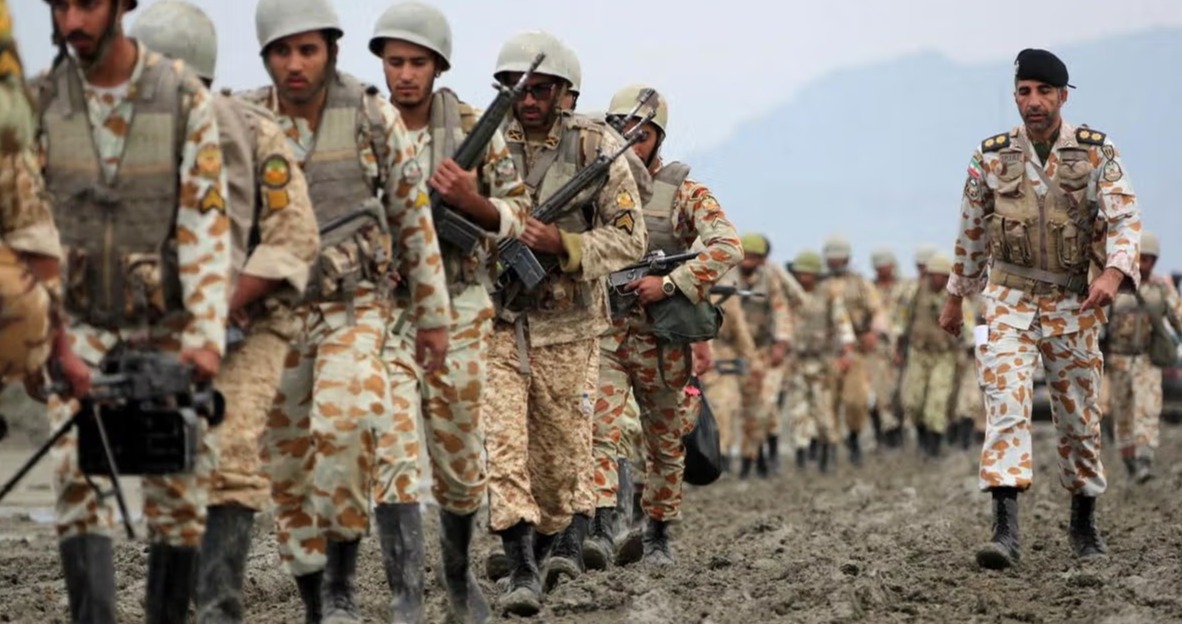
അടുത്തു വരൂ... നിങ്ങളെ ഞങ്ങള് കാത്തിരിക്കുന്നു; യു.എസ് കരസേനയ്ക്കു മുന്നറിയിപ്പായി ഇറാന് സൈന്യത്തിന്റെ വിഡിയോ
International
• 6 days ago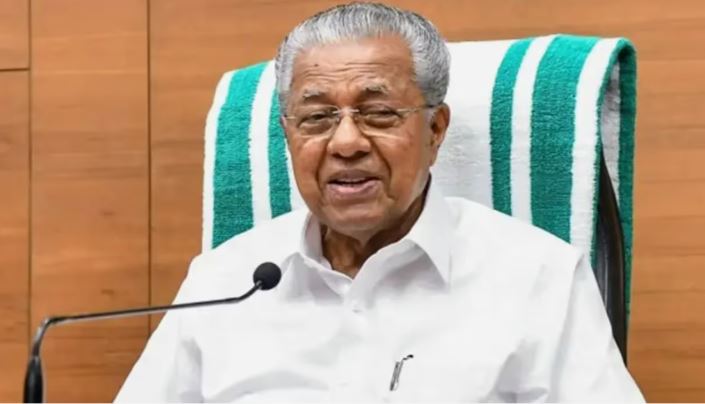
‘ചിലർ ബഹളത്തിന് തയ്യാറെടുത്ത് വന്നു’; വാർത്താസമ്മേളനത്തിലെ പ്രതിഷേധത്തിൽ മുഖ്യമന്ത്രിയുടെ മറുപടി
Kerala
• 6 days ago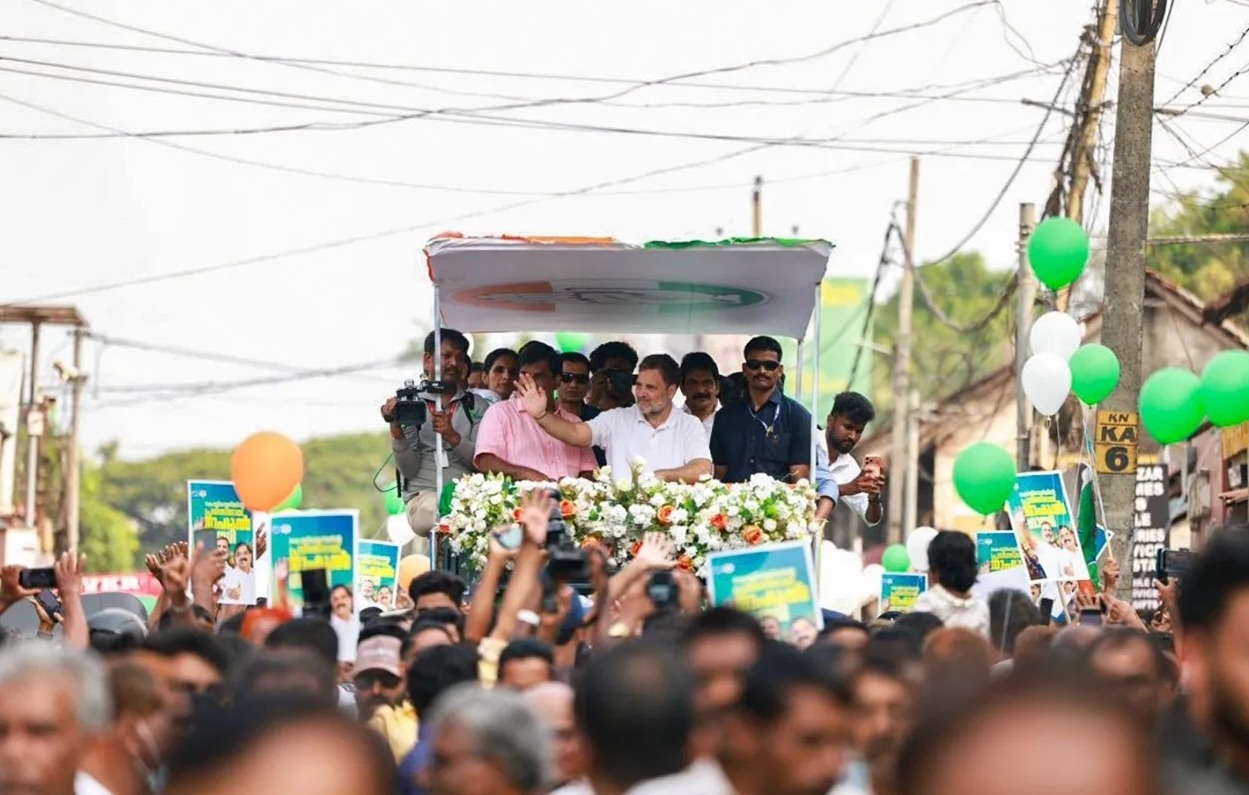
സി.പി.എമ്മിനെയും ബി.ജെ.പിയെയും ഒരുപോലെ കടന്നാക്രമിച്ച് രാഹുൽ; വടക്കൻ കേരളത്തെ ഇളക്കിമറിച്ച് യു.ഡി.എഫ് പര്യടനം
Kerala
• 6 days ago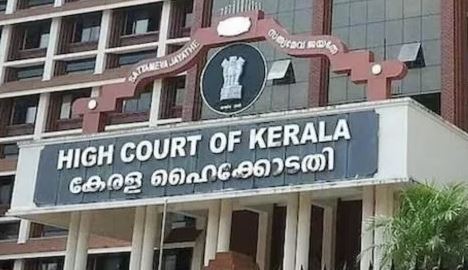
വെള്ളാപ്പള്ളി നടേശൻ പ്രതിയായ കേസ്; മെയ് 20-നകം അന്വേഷണം പൂർത്തിയാക്കണം ഹൈക്കോടതി
Kerala
• 6 days ago
സംസ്ഥാനത്ത് 'വീട്ടിൽ വോട്ട്' പുരോഗമിക്കുന്നു; രണ്ടാം ദിനത്തിൽ 23,171 പേർ വോട്ട് രേഖപ്പെടുത്തി
Kerala
• 6 days ago
തൊണ്ടിമുതൽ കേസ്: ശിക്ഷാവിധി മരവിപ്പിക്കണം; ആന്റണി രാജു സുപ്രീംകോടതിയിൽ
Kerala
• 6 days ago
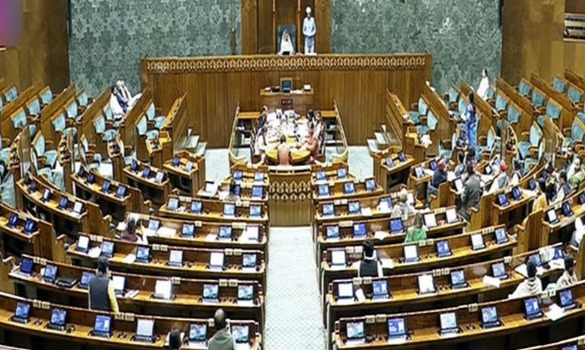
എഫ്സിആര്എ ഭേദഗതി ബില് ഇന്ന് ലോക്സഭയില്; കടുത്ത എതിര്പ്പുമായി പ്രതിപക്ഷവും സഭകളും
Kerala
• 6 days ago
കേരളത്തിൽ കണ്ടാൽ മിണ്ടില്ല, തമിഴ്നാട്ടിൽ കണ്ടാൽ വിടില്ല; അരിവാൾ ചുറ്റികയും ഉദയസൂര്യനും കൈപ്പത്തിയും പിന്നെ പച്ചക്കൊടിയും; തമിഴ്നാട്ടിൽ ഒരു 'റെയിൻബോ' സഖ്യം!
National
• 6 days ago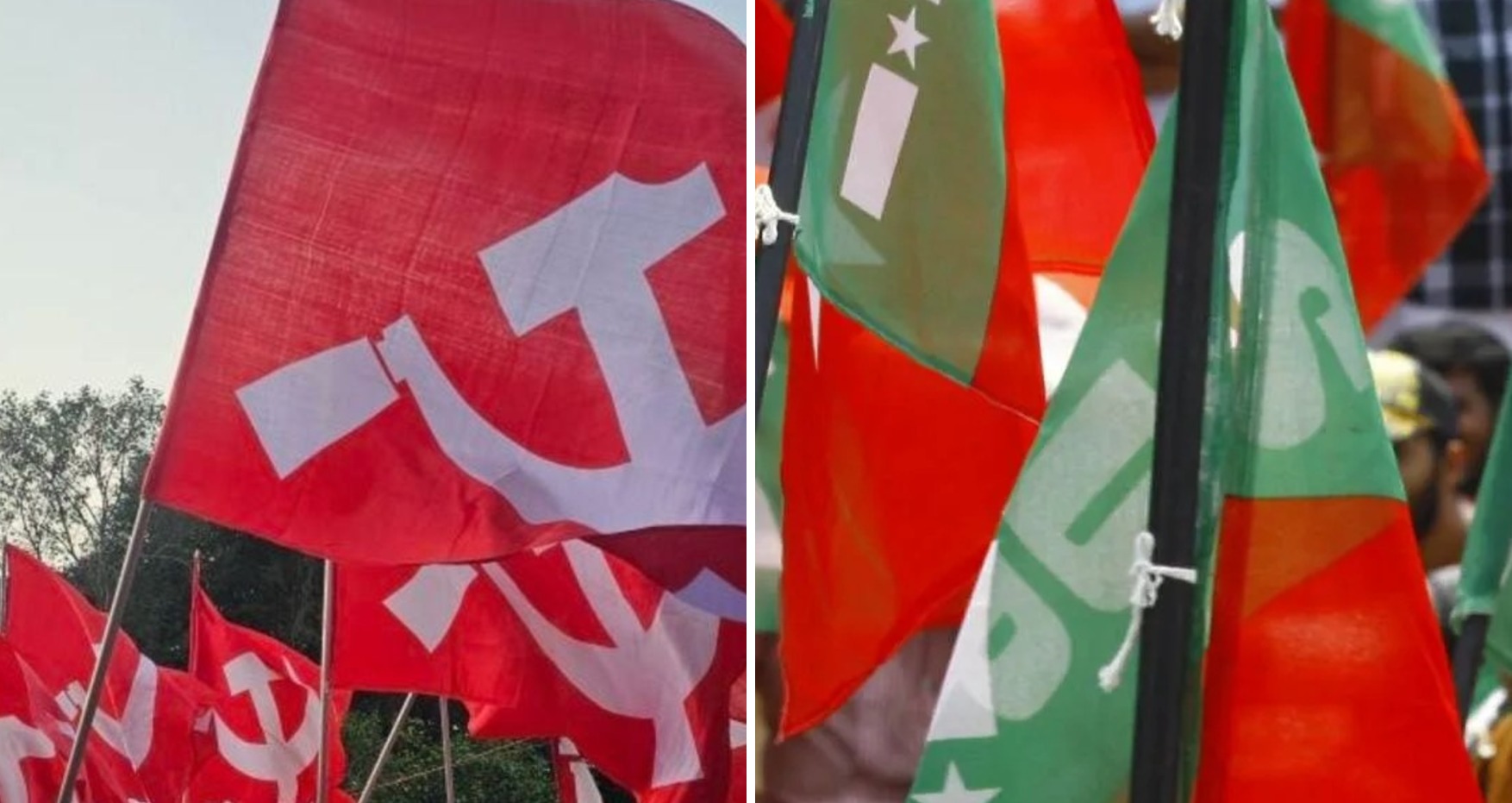
അവിടെ പരസ്യമായി, ഇവിടെ രഹസ്യമായി: ബംഗാളിൽ എസ്.ഡി.പി.ഐ മത്സരിക്കുന്നത് സി.പി.എം സഖ്യത്തിൽ
National
• 6 days ago