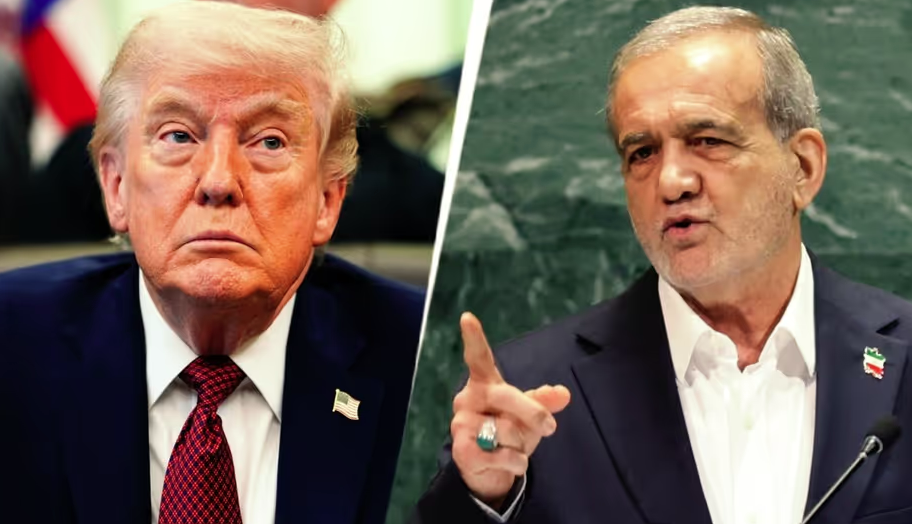
The Kantian Commander: The Life and Legacy of Ali Larijani
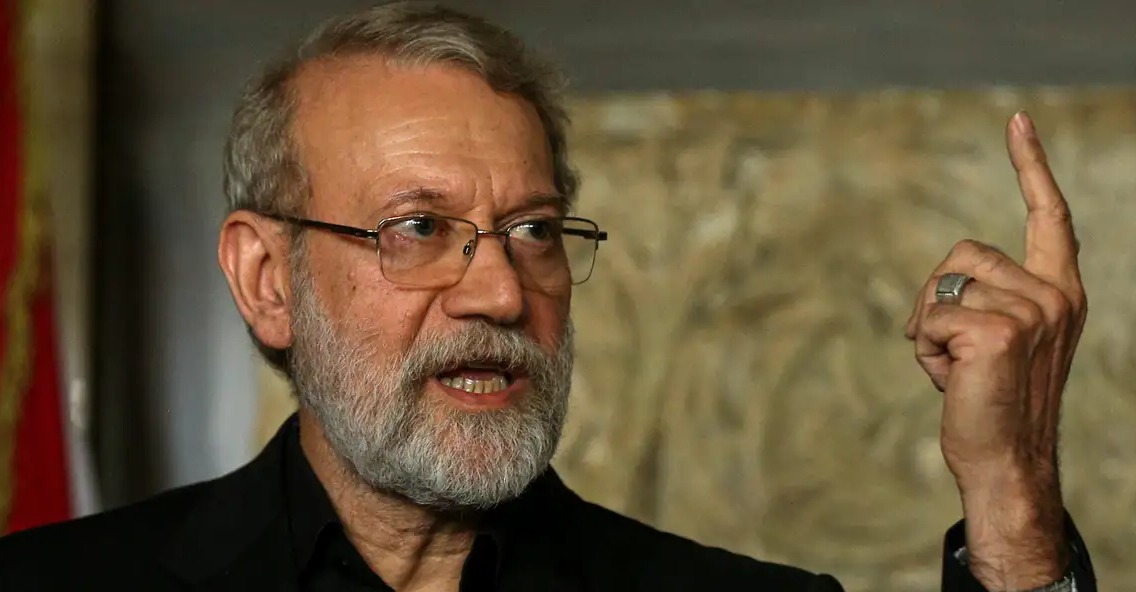
"America and the Zionist regime (Israel) have set the heart of the Iranian nation ablaze. We will burn their hearts. We will make the zionists criminals and the shameless Americans regret their actions." These were the words of Ali Larijani, Secretary of the National Security Council, following the unprovoked joint attack by the U.S. and Israel that killed Iran’s Supreme Leader, Ayatollah Ali Khamenei. Now, shocking news has emerged that Larijani himself has been killed in a planned Israeli strike yesterday, alongside Brigadier General Gholamreza Soleimani of the Basij paramilitary forces.
Larijani was a unique figure among Iranian leaders. With a Master’s degree in Western Philosophy, he focused his PhD research on the 18th-century philosopher Immanuel Kant. While he maintained diplomatic channels with the U.S. regarding Iran’s nuclear program, he remained a fierce defender of Iran’s national interests.
From Najaf to the Heart of Power:
Ali Larijani was born on June 3, 1958, in Najaf, Iraq, into a powerful family often called the "Kennedys of Iran." His father, Mirza Hashim Amoli, was a famous religious scholar. Much like Ali, his brothers held high-ranking positions across various branches of the Iranian government.
Larijani’s academic background was diverse; he earned his undergraduate degree in Mathematics and Computer Science before moving into Western Philosophy for his Master’s and his doctoral thesis on Kant. At just twenty years old, he married Farideh Motahhari, the daughter of Morteza Motahhari—a key figure of the Revolution and a close friend of the first Supreme Leader, Ruhollah Khomeini.
A Career Defined by Diplomacy and Defense:
After the Islamic Revolution, Larijani served in the IRGC during the 1980s. He later served as Iran’s Minister of Culture and Islamic Guidance from 1992 to 1994. From 1994 to 2004, he was the head of the IRIB, the state’s official media organization.
As Secretary of the Supreme National Security Council, he was a central figure in nuclear negotiations with the United States. However, when joint U.S.-Israeli actions caused tension during these talks, Larijani remained fearless, prioritizing the nation's interests and playing a lead role in organizing Iran’s defense. Despite constant threats from the U.S. and Israel, he was seen marching with the public during "Al-Quds Day" demonstrations just last Friday.
An Irreparable Loss for the Resistance:
The martyrdom of Larijani, a man who masterminded both diplomatic and defense strategies, is an undeniable loss for Iran. Yet, history suggests that Iran often strengthens its resolve when its leaders are targeted. Even the U.S. likely does not expect a nation that has consistently turned such losses into momentum to fall with the passing of Larijani.
Comments (0)
Disclaimer: "The website reserves the right to moderate, edit, or remove any comments that violate the guidelines or terms of service."RELATED NEWS
വിധവ പെൻഷനെ ചൊല്ലി തർക്കം; മുക്കത്ത് റവന്യൂ ഇൻസ്പെക്ടറെ കടിച്ചു പരുക്കേൽപ്പിച്ചു സ്ത്രീ
Kerala
• 3 days ago
യുഎഇയിൽ വേനൽ കടുക്കുന്നു; അബുദബിയും ദുബൈയുമടക്കം പ്രധാന നഗരങ്ങളിൽ താപനില 40 ഡിഗ്രി കടക്കും
uae
• 3 days ago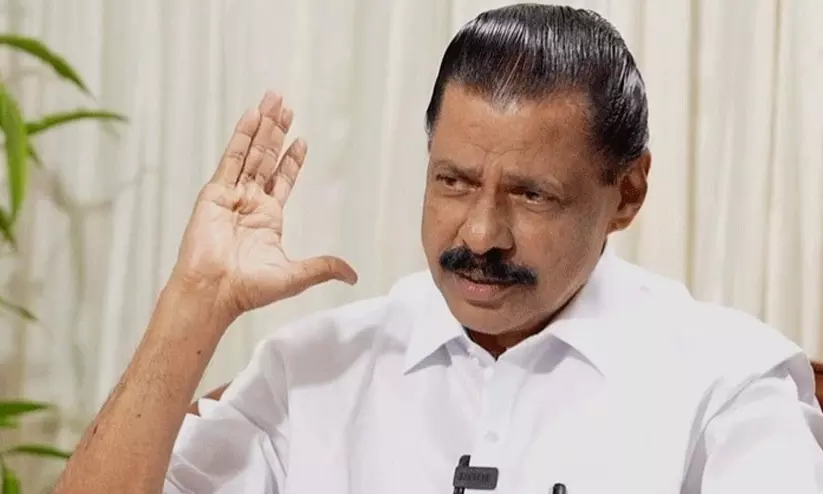
കേരളത്തിൽ ഭരണവിരുദ്ധ വികാരമില്ല, എക്സിറ്റ് പോളുകൾക്കപ്പുറം ഇടതുപക്ഷം ജയിക്കും; 'പിണറായി വിജയൻ തന്നെ വീണ്ടും മുഖ്യമന്ത്രി'- എം.വി ഗോവിന്ദൻ
Kerala
• 3 days ago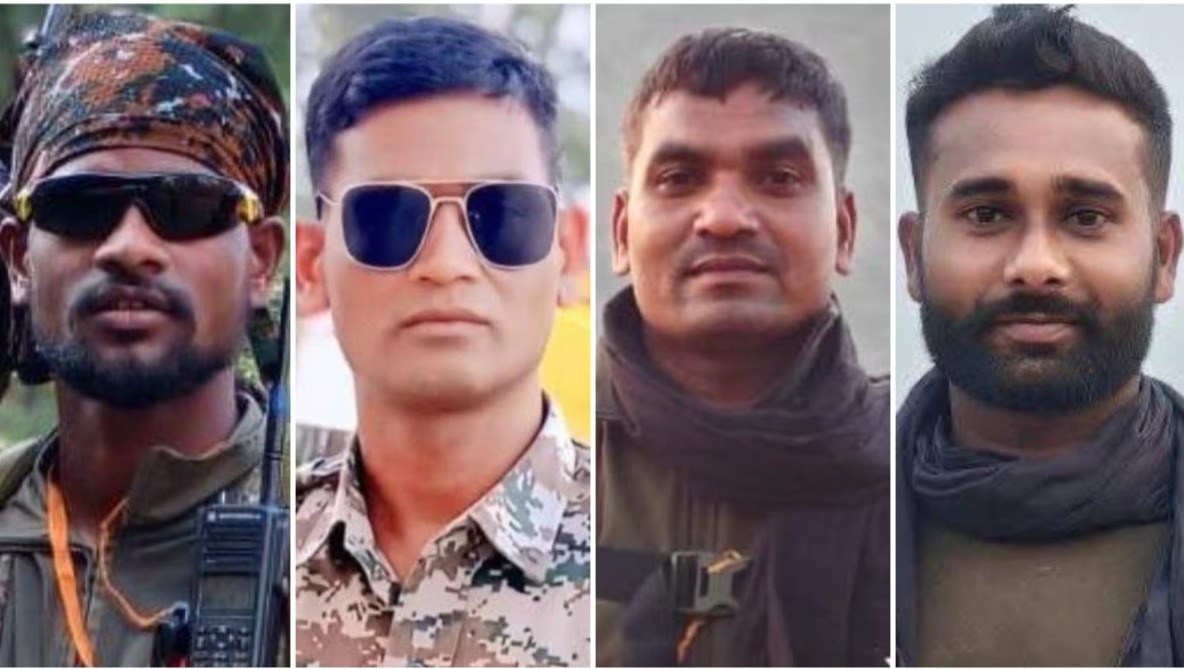
ഛത്തീസ്ഗഢിൽ മാവോയിസ്റ്റ് വിരുദ്ധ ഓപ്പറേഷനിടെ സ്ഫോടനം; നാല് സൈനികർക്ക് വീരമൃത്യു
National
• 3 days ago
യുഎഇയിൽ വാഹനാപകടങ്ങൾ വർദ്ധിക്കുന്നു; മരണക്കെണിയൊരുക്കി അശ്രദ്ധമായ ഡ്രൈവിംഗ്
uae
• 3 days ago
പൂനെയിൽ നാലു വയസ്സുകാരിയെ പീഡിപ്പിച്ചു കൊന്ന് ചാണകക്കൂമ്പാരത്തിൽ തള്ളി; 65-കാരൻ പിടിയിൽ, ദേശീയപാത ഉപരോധിച്ച് നാട്ടുകാർ
National
• 3 days ago
എടച്ചേരി ജമീല വധക്കേസ്; പ്രതിയായ ഭർത്താവ് 25 വർഷത്തിന് ശേഷം പൊലിസ് പിടിയിൽ
Kerala
• 3 days ago
10 ബില്യൺ ദിർഹത്തിന്റെ തട്ടിപ്പ്; വർഷങ്ങളായി ഒളിവിൽ കഴിഞ്ഞിരുന്ന ഇന്ത്യൻ പൗരന്മാരെ നാടുകടത്തി യുഎഇ
uae
• 3 days ago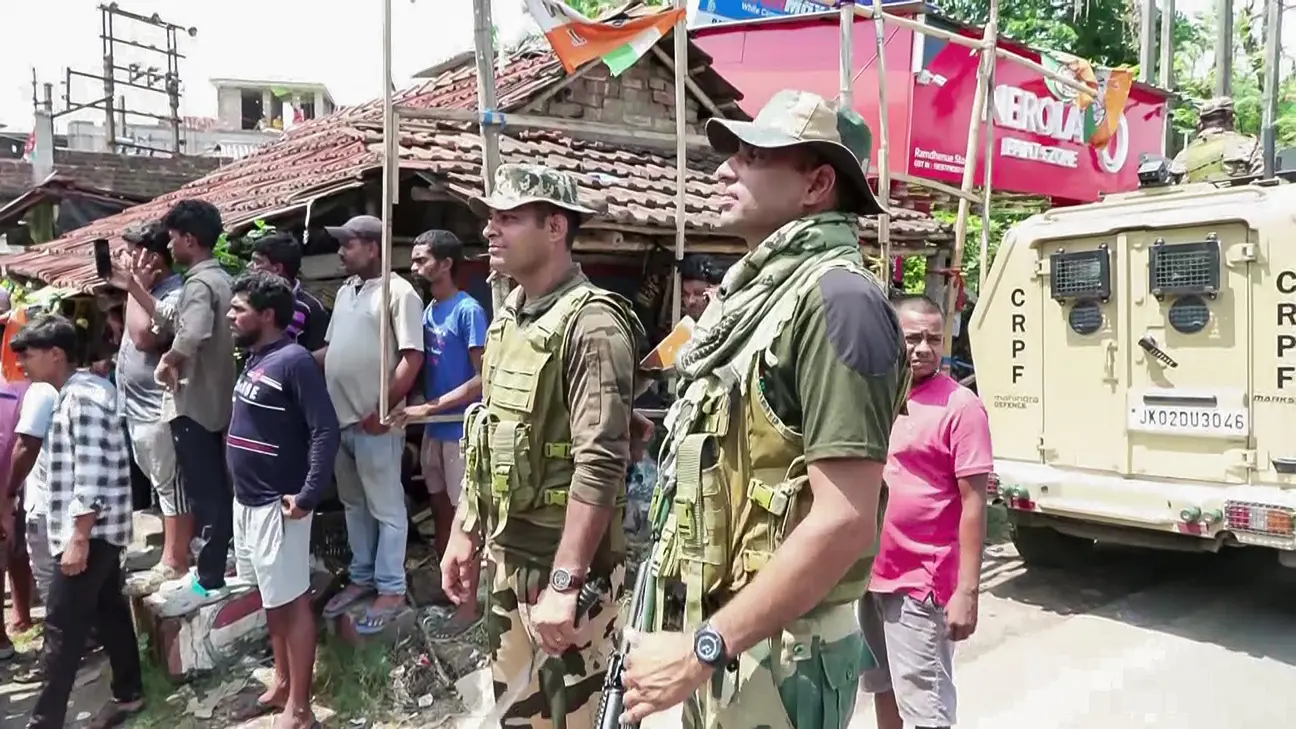
ബംഗാളിൽ റീപോളിങ്ങിനിടെ വ്യാപക സംഘർഷം; തൃണമൂൽ-ബിജെപി പ്രവർത്തകർ ഏറ്റുമുട്ടി, മൂന്ന് പേർ അറസ്റ്റിൽ
National
• 3 days ago
യുഎഇയിൽ വ്യോമഗതാഗതം സാധാരണ നിലയിലേക്ക്; മുൻകരുതൽ നടപടികൾ പിൻവലിച്ചു
uae
• 3 days ago
വോട്ടെണ്ണൽ ദിനത്തിൽ കോഴിക്കോട് ജില്ലയിൽ നിരോധനാജ്ഞ; കർശന നിയന്ത്രണങ്ങളുമായി ജില്ലാ ഭരണകൂടം
Kerala
• 3 days ago
സായുധസേനാ ഏകീകരണത്തിന്റെ സുവർണ്ണ ജൂബിലി നിറവിൽ യുഎഇ; കരുത്തിന്റെയും ഐക്യത്തിന്റെയും അഞ്ച് പതിറ്റാണ്ടുകൾ
uae
• 3 days ago
കോഴിക്കോട് സ്ട്രോങ്ങ് റൂം വിവാദം: യുഡിഎഫിന്റെ പരാതി തള്ളി തെരഞ്ഞെടുപ്പ് കമ്മിഷൻ; ഉദ്യോഗസ്ഥർക്കെതിരെ നടപടിയില്ല
Kerala
• 3 days ago
ഇളമണ്ണൂരിൽ ഹോട്ടൽ നടത്തിപ്പുകാരനെ മർദ്ദിച്ചു; ഭക്ഷണത്തിൽ ഹാൻവാഷ് കലർത്തിയതായും പരാതി; മുൻ ഉടമയുൾപ്പെടെ മൂന്ന് പേർക്കെതിരെ കേസ്
Kerala
• 3 days ago
ബ്രൂണോയ്ക്ക് തിരിച്ചടി, ഒന്നാമൻ 'ആ മാന്ത്രികൻ'; ലോകത്തിലെ മികച്ച 4 മിഡ്ഫീൽഡർമാരെ തിരഞ്ഞെടുത്ത് വിറ്റിൻഹ
latest
• 3 days ago
ഇവിഎമ്മിന് കാവല് നില്ക്കുന്ന കേന്ദ്ര പൊലിസിന് മുന്നില് ജനങ്ങള് കാവല് നില്ക്കേണ്ട ഗതികേട്; തെരഞ്ഞെടുപ്പ് കമ്മീഷനെതിരെ തുറന്നടിച്ച് മഹുവ മൊയ്ത്ര
National
• 3 days ago
വിദേശികൾക്ക് സ്ഥാനം കടലിന്റെ അടിത്തട്ടിൽ; ഹോർമുസ് കടലിടുക്കിൽ പിടിമുറുക്കി ഇറാൻ, പുതിയ നിയമം പ്രഖ്യാപിച്ചു
International
• 3 days ago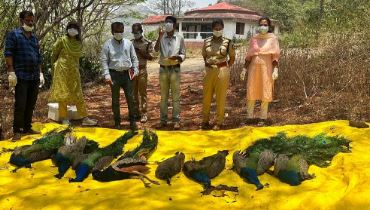
കര്ണാടകയിലെ തുമകൂര് ജില്ലയില് പക്ഷിപ്പനി വ്യാപനം; 40ഓളം മയിലുകള് ചത്തു; കണ്ടയ്ന്മെന്റ് സോണ് പ്രഖ്യാപിച്ചു; കോഴിയിറച്ചി ഉപയോഗിക്കുന്നവര് ശ്രദ്ധിക്കണം
National
• 3 days ago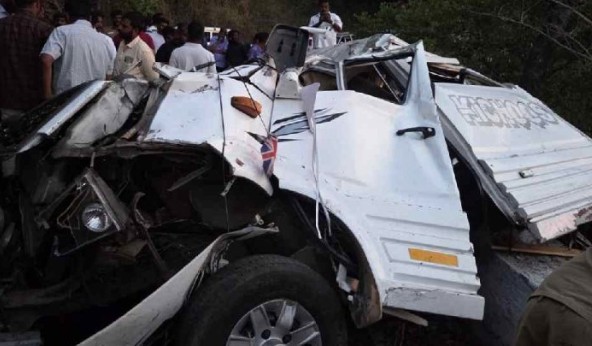
വാല്പ്പാറ വാഹനാപകടത്തില് ധനസഹായം പ്രഖ്യാപിച്ച് സര്ക്കാര്; മരിച്ചവരില് ഇന്ഷുറന്സ് പരിരക്ഷ ഇല്ലാത്തവരുടെ കുടുംബങ്ങള്ക്ക് 10 ലക്ഷം അനുവദിക്കും
Kerala
• 3 days ago500 രൂപ മോഷ്ടിച്ചെന്നാരോപിച്ച് ആറാം ക്ലാസുകാരനെ തലകീഴായി കെട്ടിത്തൂക്കി; ഹോസ്റ്റല് വാര്ഡനും പാചകക്കാരനും പിടിയില്
Kerala
• 3 days ago
സുപ്രഭാതം കരിയർ ക്ലിനിക് 20 ജേന്ദ്രങ്ങളിലും സെന്റർ കോഡിനേറ്റർമാരെ നിയമിച്ചു
Kerala
• 3 days ago
മ്യാൻമറിൽ ബോംബാക്രമണം ശക്തമാക്കി സൈനിക ഭരണകൂടം; മിസോറാം അതിർത്തിയിൽ അഭയാർത്ഥി പ്രവാഹം
International
• 3 days ago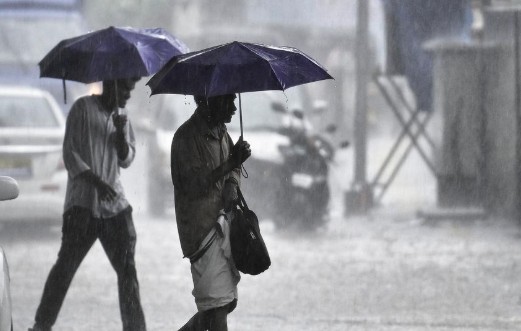
സംസ്ഥാനത്ത് അഞ്ച് ദിവസം ശക്തമായ മഴയ്ക്ക് സാധ്യത: വിവിധ ജില്ലകളില് യെല്ലോ അലര്ട്ട്
Kerala
• 3 days ago