A Century of Unity: The Historical Genesis and Educational Revolution of Samastha
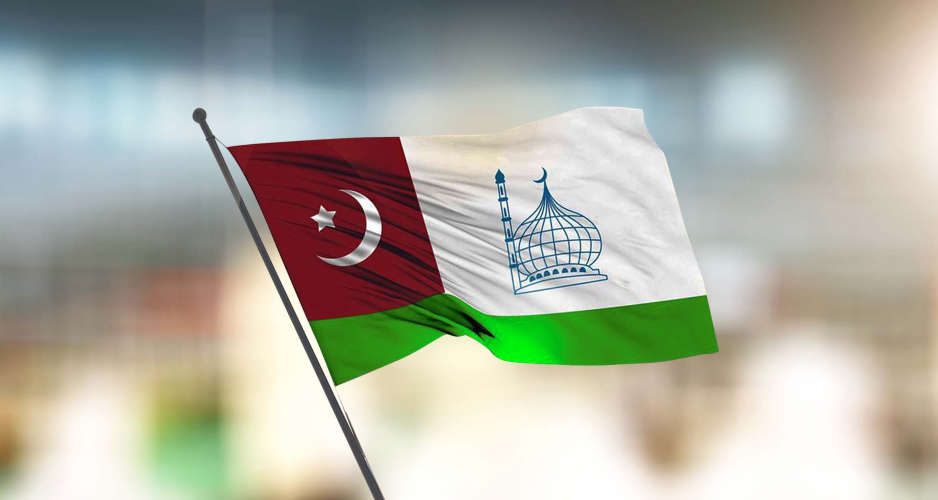
The historical records clearly state that Islam reached the shores of Kerala during the lifetime of Prophet Muhammad (PBUH) himself. The people of Kerala learned the tenets of Islam directly from the Sahabaah, the companions of the Prophet. From its nascent stages, the Islamic community in Kerala moved under a strong, cohesive leadership led by scholars and philosophers. These leaders did not restrict their influence to spiritual matters alone; they actively intervened in social and political spheres as well. This holistic approach by the leaders of the Ummah created a community in Kerala that was distinct from others. Under this robust leadership, the Muslim community questioned colonial invasion and systemic oppression, viewing resistance as a fundamental ideological responsibility. From the era of Zainudheen Makhdoom I to the later leaders of the Khilafat movement, including prominent scholars and Sayyids, this leadership transformed the community into a progressive and vibrant segment of Kerala's social fabric. This significant fact—that Keralites learned Islam directly from the Prophet’s companions—is also recognized by the Salafi movements in Kerala, as stated in their own literature.
The Shift Toward Organizational Fragmentation
Until the beginning of the 20th century, there were no formal organizational frameworks or institutionalized efforts for the process of Da’wa. During this period, Da’wa was primarily conducted by prominent personalities or influential family leaders. However, the dawn of the 20th century marked a significant turning point. In a socio-cultural landscape characterized by rising conflicts and upheavals, new movements began to emerge within the Muslim community. While these movements sought to address the challenges of the time, they also introduced divisions within the community. This ultimately led to the erosion of the once-unified front of the Muslim community and signaled the beginning of internal rifts within the Ummah.
Perspectives on the 1921 Rebellion
The reasons behind the 1921 Malabar Rebellion have been recorded in history according to the varying intentions of different chroniclers. During its initial stages, the rebellion was categorized primarily as an agricultural uprising. Malabar Deputy Judge H.V. Gram and William Logan originally presented the Moplah Rebellion through this economic lens. In his work, Malabar Land Tenures, Logan clearly defined it as such, though he later shifted his position in the Malabar Manual to present the rebellion as a communal conflict. Modern scholars like Conrad Wood have also characterized the event as an agricultural upheaval. In his book, The Moplah Rebellion and Its Genesis, Wood argues that the rebellion was the aftermath of oppression by landlords who were supported by the ruling authorities, which eventually escalated into anti-colonial resistance. Historians such as Gayatri Vallabha Ayyar, Soumendra Nath Tagore, and Dr. K.N. Panikkar have shared similar observations.
The Role of the Khilafat Movement
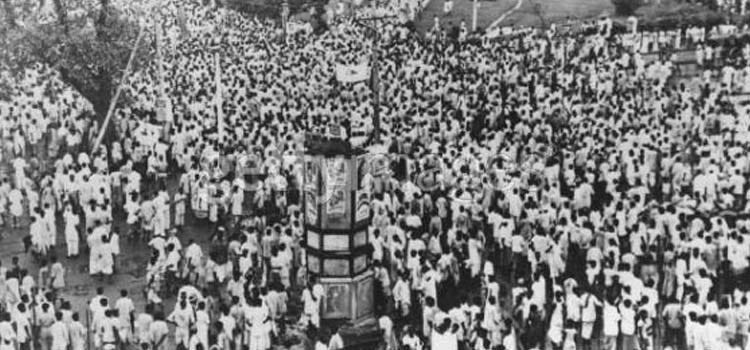
However, the question remains: were the rifts between landlords and farmers or general anti-colonial tendencies the only reasons behind the Moplah Rebellion? A deeper historical analysis reveals that the Khilafat Movement played a crucial role. Historian Roland E. Miller, in his book Moplah Muslims, states that factors such as the economic instability of the Muslim community, the broader freedom struggle, conflicts with landlords, and colonial oppression converged with the Khilafat Movement to trigger the rebellion. After World War I, the British Empire took a tactical approach to dismantle the Ottoman Empire, which had served as a symbol of unity for Muslims worldwide. This decision was met with heavy criticism globally, fueling a strong anti-British sentiment. In India, Abul Kalam Azad and the Ali brothers took the initiative to address this grievance, which gave birth to the Khilafat Movement. The Treaty of Sèvres, forced upon the Ottoman Empire, rendered it powerless and saw much of its territory fall under British control. Consequently, Indian Khilafat leaders designated October 17, 1919, as Khilafat Day and established a Khilafat Committee in Bombay in 1920.
Convergence with the National Movement
The Manjeri Conference, held on April 28, 1920, served as the catalyst for the Khilafat Movement in Malabar. As the movement grew into a significant anti-colonial force, Mahatma Gandhi approached the Khilafat leaders to join forces with the Indian National Congress. The Khilafat leaders accepted this alliance, leading to joint protests against British rule. As part of this cooperation, Gandhi and Shaukat Ali visited Kozhikode on August 18, 1920, to deliver a landmark speech. This was followed by a joint conference of the Khilafat Movement and Congress in Ottappalam, held from April 23 to 27, 1921. By August 21, 1921, the Moplah community began peaceful protests against the British.
Resistance, Oppression, and Ideological Duty
The British authorities, fearing the scale of the protest, attempted to suppress the resistance through violence. At this critical juncture, the Congress leadership stepped back from its support of the Khilafat Movement, leaving the Moplah community to resist alone. In the ensuing colonial oppression, many lives were lost in the Malabar region, yet the community refused to surrender to British power. The Moplah community in Malabar carries a long history of resistance dating back to the 15th century, beginning with the arrival of Vasco da Gama in Kozhikode in 1498. The events of 1921 were a continuation of this legacy. Because these struggles were led by Islamic scholars, it demonstrates that the resistance was rooted in ideological responsibility rather than mere political gain. Within the community, however, there were differing opinions on the methods of resistance. While some supported armed struggle, prominent scholars like Varakkal Mullakkoya Thangal and Pangil Ahmed Kutty Musliyar remained opposed to armed resistance, even while they continued to support the goals of the Khilafat Movement.
The Emergence of Majlisul Ulama and the Seeds of Division
In the midst of the Khilafat movement and its widespread protests, reformative movements began to emerge within the Muslim community. These reformist movements found their ideological grounding in the Wahhabi and Salafi schools of thought that had originated in Saudi Arabia and Egypt. During a national conference of the Khilafat movement held in Erode, Tamil Nadu, on April 2 and 3, 1921, several prominent leaders from Kerala participated, including Maulana Valakkulam Abdul Bari Musliyar, K.M. Moulavi Thirurangadi, Kattilassery Muhammed Moulavi, and E. Moithu Moulavi.
At this conference, K.M. Moulavi approached Maulana Abdul Bari Musliyar with the proposal of establishing a branch of Majlisul Ulama in Kerala. Abdul Bari Musliyar replied that a decision could be made only after returning to Kerala and discussing the matter with other scholars. However, K.M. Moulavi was not satisfied with this cautious response. Moving forward despite the objections of Abdul Bari Musliyar, they established Majlisul Ulama, with K.M. Moulavi serving as its president.
The birth of Majlisul Ulama in Kerala coincided with the Ottappalam Khilafat Conference in 1921. Significantly, most of the prominent Islamic scholars of the time were not informed about the creation of this new movement. This act is considered the first step toward the division of the Muslim community initiated by the reformists. While Majlisul Ulama conducted a public conference in Ponnani on July 24, 1921, the subsequent escalation of the Moplah Rebellion and the ensuing British oppression brought an abrupt end to the movement’s initial activities.
Political Persecution and the Propagation of Reformist Thought
On August 16, 1921, Collector E.F. Thomas circulated arrest warrants against Nellikuth Ali Musliyar, Pangil Ahammed Kutty Musliyar, and Thayyil Muhammed Kutty Musliyar (K.M. Moulavi). The British government identified these individuals as the primary figures behind the Moplah Rebellion. Ali Musliyar was eventually arrested and sent to Coimbatore Jail, where he passed away.
Pangil Ahammed Kutty Musliyar went into hiding, from where he secretly attempted to calm the rebels through speeches and other strategic approaches. When he later fell ill and sought rest under the supervision of a friend, the British authorities withdrew the warrant against him. Meanwhile, K.M. Moulavi absconded to Kodungalloor following an invitation from his brother-in-law, M.C.C. Abdurahman Moulavi. E.K. Moulavi, who had arrived in Kodungalloor from Malabar as a teacher associated with the Khilafat movement, joined them there. Together, E.K. Moulavi, M.C.C. Abdurahman Moulavi, and K.M. Moulavi began to propagate Salafi thought. Influenced and encouraged by the advice of Vakkam Moulavi, they became increasingly confident in their efforts to spread the Wahhabi ideology.
The Rise of Kerala Muslim Ikyasangham
In 1922, during a conference in Eriyad, these leaders formed a "neutral movement." This organization was ostensibly created to resolve internal disputes and serve as a negotiating medium to mend rifts between Muslim families and clans. The founding leadership included Manappatt Kunji Muhammed Haji, K.M. Seethi Sahib, his father Seethi Muhammed, K.M. Moulavi, E.K. Moulavi, T.K. Muhammed Moulavi, and M.C.C. Abdurahman Moulavi.
Believing in the group's stated intent of reconciliation, a few traditional scholars, such as Pangil Ahammed Kutty Musliyar, initially participated in the movement. However, the organization gradually shifted its focus, becoming a platform for propagating reformist Salafi thoughts rather than resolving communal rifts. This movement eventually expanded across the state under the title "Kerala Muslim Ikyasangham" (Kerala Muslim Organization of Unity).
The general public in Kerala did not fully grasp the true intentions of the Ikyasangham until the 1923 Eriyad conference. Under the leadership of Vakkam Moulavi, who was already a proponent of Wahhabi thought, the conference set an agenda that targeted traditional beliefs and rituals. Through their publications, such as Muslim Ikyam and Al-Irshad, they actively propagated Salafi doctrines, making their ideological agenda public.
The Traditionalist Response and Ideological Polarization
To counter the Wahhabi propaganda led by Vakkam Moulavi, orthodox Islamic scholars in Kerala decided to organize public conferences to address the issues raised by the Ikyasangham. The Ikyasangham had begun questioning long-standing traditional rituals, such as the visiting of shrines of saints and offering prayers there, labeling such practices as anti-Islamic. Their ideological framework was heavily drawn from Muhammad ibn Abd al-Wahhab, Rashid Rida, and other Salafi reformists.
As a result, many common people and scholars distanced themselves from this new movement, as it directly challenged their ancestral traditions. Although the Ikyasangham presented itself as a force for unification, it ultimately created deep divisions within the community. In 1924, during its second annual conference, the Ikyasangham established a dedicated body of scholars named the "Kerala Jamiyyathul Ulama," with E. Moithu Moulavi taking the lead in this initiative.
By 1925, the Ikyasangham decided to conduct its public conference in Kozhikode, marking the formal entry of the Wahhabi movement into the Malabar region. This expansion was met with strong resistance from traditionalist scholars, most notably Maulana Ahammed Koya Shaliyathi, who worked to raise awareness among the public and prominent figures in Kozhikode regarding the implications of the reformist agenda.
The Orthodox Resistance and the Formation of Samastha
The invasion of Wahhabi ideology into the Malabar region was viewed as a grave threat by Orthodox scholars. They considered the reformist agenda—which denied cultural and traditional diversity while attempting to impose a singular viewpoint as the only valid interpretation of the Qur'an and Sunnah—to be dangerous. To block these new trends, scholars gathered for a preliminary meeting at the residence of the prominent Islamic leader, Varakkal Mullakkoya Thangal.
In 1925, Orthodox leaders convened again at the Kozhikode Valiya Juma'ath Masjid. During this historic meeting, they resolved to formally oppose Wahhabi ideology and its propagandas while committing to the propagation of the values and principles of Ahlu Sunna val Jama'ath. To achieve this, they formed an organization named the Kerala Jam'iyyathul Ulama. The prominent scholar and Sufi saint, K.P. Muhammed Meeran Musliyar, was appointed president, with Parol Hussain Moulavi serving as secretary. This movement served as the foundational step toward the eventual formation of the Samastha Kerala Jam'iyyathul Ulama.
Mobilizing the Scholars of Kerala
To expose the true intentions of the Ikyasangham and to uphold the principles of Ahlu Sunna, the new movement launched a comprehensive one-year program. They organized public conferences in key locations, including Kozhikode, Chaliyam, Edavanna, and Manjeri. A central goal of the organization was to host a massive gathering of Islamic scholars. They initially invited the venerable scholar Vaalakkulam Koyamutti Musliyar; however, due to his advanced age, he sent his son, Vaalakkulam Abdul Bari Musliyar, who subsequently became a pivotal figure in the organization.
Under the leadership of Panayikkulam Puthiyappla Abdurahman Musliyar and Muhammed Meeran Musliyar, leaders visited Dars (traditional mosque-based colleges) and Islamic institutions throughout Kerala to invite scholars to the event. Their tireless efforts succeeded in bringing together scholars of various viewpoints to create a unified counter-narrative against the Ikyasangham and Wahhabi ideologies.
The Birth of Samastha Kerala Jam'iyyathul Ulama
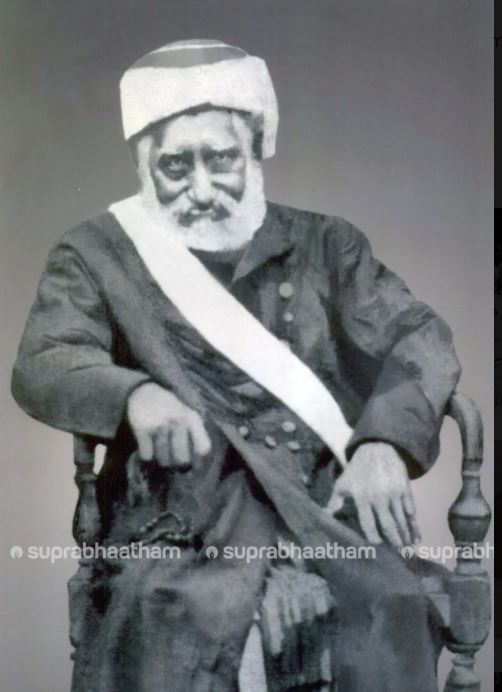
On June 26, 1926, Samastha was officially born. Under the presidency of Sayyid Hashim Cherukunji Koya Thangal, the organization was established to defend the faith against spreading propagandas and to showcase the true essence of Islam. The leadership structure was comprised of the most esteemed scholars of the era: President: Varakkal Sayyid Abdurahmaan Ba'alavi Mullakkoya Thangal, Vice Presidents: A.P. Ahammed Kutty Musliyar, K. Muhammed Abdul Bari Musliyar Valakkulam, K.M. Abdul Qadar Musliyar Pallippuram, and K.P. Muhammed Meeran Musliyar. General Secretary: P.V. Mohammed Moulavi Kozhikode
Joint Secretaries: V.K. Muhammed Musliyar Puthiyangadi and German Ahammed Musliyar Feroke
Through this leadership, Samastha effectively defended against Wahhabism using debates, literature, and public awareness campaigns. For nearly a century, these efforts have ensured that the reformist movement could not gain a large following among the masses, effectively protecting the traditional Islamic fabric of Kerala.
The Constitution and Core Objectives
Following extensive debates, Samastha established its formal constitution on November 14, 1934. The document outlined five critical focus areas that have guided the organization for nearly 100 years:
1)To propagate the values of Ahlu Sunna and defend against any contrary ideologies through peaceful methods.
2) To stand for the rights of the Muslim community.
3)To promote religious education and encourage secular education.
4) To work against superstitions, anarchism, and communal divisions.
The founding signatories included Khan Sahib V. Aattukkoya Thangal Ponnani, the Malappuram Qazi Khan Bahadur, O.P.M. Muthukkoya Thangal, and others. Since its inception, Samastha has remained strictly committed to the values enshrined in this constitution.
The Cultural Struggle and Colonial Influence
Historically, the Wahhabi movement was seen as aligned with the interests of British imperialism, attempting to erase the traditional history of Kerala Muslims. They sought to destroy significant historical texts such as Muhimmathul Muslimeen, Cheroor Padappaatt, Mannarkkaad Padappatt, and Manjeri Padappaatt, as well as the Al Ameen newspaper.
Furthermore, there was a concerted effort to dismantle the Arabi-Malayalam language—a unique cultural symbol of Kerala Muslims that had emerged as a form of resistance against colonial invasion. In this language, numerous Islamic and fictional works had been preserved. When reformist scholars, operating under the British regime, began promoting Islamic textbooks in Malayalam for the Dars, it was viewed as an imperial tool to dismantle tradition. Under British guidance, these leaders deconstructed the traditional Islamic education system and replaced it with a syllabus designed to align with colonial interests.
Continued Growth and Political Engagement
Between 1926 and 1944, Samastha conducted nearly 15 public conferences in various regions. These gatherings were notably characterized by a method of open dialogue and intellectual exchange. This momentum continued throughout the 20th century and into the 21st; by 2016, the organization had conducted approximately 27 major public conferences. Significant milestones include the Platinum Jubilee celebrations in 2012, which saw massive gatherings in Kasaragod, Kozhikode, Thrissur, and Thiruvananthapuram. Most recently, the organization commemorated its 90th anniversary with a grand celebration in Alappuzha.
Beyond its educational and spiritual roles, Samastha has consistently taken strong political stands on issues affecting the Muslim community. A prominent example of this engagement was the organization’s decisive role and advocacy during the Shariat controversy, where it stood as a guardian of traditional Islamic law in the face of legal and social challenges.
The Educational Revolution- Madrasas and Modernity
A landmark moment in the history of the organization occurred on March 25, 1951, with the creation of the Samastha Kerala Islam Religion Education Board. In its inaugural year, the board granted affiliation to 33 Madrasas across Kerala. The growth since then has been exponential; as of 2017, the number of recognized Madrasas under Samastha reached 10,601. The curriculum in these institutions is remarkably diverse, featuring textbooks in Arabic, Arabi-Malayalam, Arabi-Tamil, Kannada, English, Malayalam, and Urdu. The educational ladder spans from the first standard to the twelfth, with Madrasas established both across India and in several foreign countries.
Samastha has also focused heavily on the educational advancement of women. The establishment of specialized Arabic colleges and courses, such as the 'Fadhila' and 'Faleela' programs, serves as a testament to its commitment to female scholarship.
Integration of Material and Spiritual Knowledge
While rooted in tradition, Samastha places equal importance on material and secular education. From the MEA Engineering College in Pattikkad to various other professional institutions, the organization ensures the community is equipped for the modern world. A revolutionary step in this field is the SNEC, which seeks to integrate Shariat studies with modern skill sets.
The organization’s focus areas now include multilingual communication training, charisma designing, and new media literacy. Furthermore, the "She Stream" project highlights the priority given to contemporary educational avenues for women. Alongside the traditional Dars and Madrasas, numerous affiliated colleges, schools, and training centers operate under the Samastha umbrella. The organization's student wing, the SKSSF (Samastha Kerala Sunni Students Federation), complements these efforts by providing examination coaching and diverse skill development programs.
Internal Disagreements and Organizational Integrity
As an ideological organization, Samastha has occasionally faced internal disagreements that necessitated disciplinary actions to maintain its core principles. In 1965, the organization took a formal stand against the Tablighi Jama'at. This led to a small group splintering off to form the Akhila Kerala Jam'iyyathul Ulama, an organization that is no longer in existence. Another internal rift occurred over the theological permissibility of using loudspeakers, resulting in the formation of the Samsthaana Jam'iyyathul Ulama, which continues to exist on a small scale.
The most significant turning point occurred in 1989. Samastha took disciplinary action against six of its members for violating organizational rules, threatening the unity of the Muslim community, and showing disrespect toward established scholars. Following their expulsion, these individuals formed a separate organization known as the All India Sunni Jam'iyyathul Ulama. Despite these divisions, Samastha has remained the primary guardian of the traditional Sunni identity in Kerala, continuing its mission for nearly a century.
Comments (0)
Disclaimer: "The website reserves the right to moderate, edit, or remove any comments that violate the guidelines or terms of service."RELATED NEWS
മേജർ മിസ്റ്റേക്ക്! ഇന്നസെന്റ് മരിച്ചപ്പോൾ വന്നത് 55 വാഹനങ്ങളുടെയും 560 പൊലീസിന്റേയും അകമ്പടിയോടെയെന്ന ആരോപണം തള്ളി പിണറായിയുടെ ഓഫിസ്
Kerala
• a day ago
ഇന്ന് എല്ലാ ജില്ലകളിലും മഴ മുന്നറിയിപ്പ്; മൂന്ന് ജില്ലകളില് റെഡ് അലര്ട്ട് തുടരും, നാളെ മുതല് മഴയുടെ ശക്തി കുറയും
Kerala
• a day ago
മുന്നറിയിപ്പുകള് തള്ളി വീണ്ടും ഇസ്റാഈല്; ലബനാനില് ആക്രമണം, സ്ത്രീകളും കുട്ടികളും ഉള്പ്പെടെ 14 മരണം
International
• a day ago
ദംബുള്ളയില് ഗെയ്ക്വാഡ് ഷോ; ശ്രീലങ്ക എക്കെതിരെ ഇന്ത്യക്ക് മികച്ച ടോട്ടല്
Cricket
• a day ago
റഫറിക്കും വിസ കൊടുക്കാതെ യു.എസ്; സൊമാലിയന് റഫറി പട്ടികയില് നിന്നും ഒമറിനെ പുറത്താക്കി ഫിഫ
Football
• a day ago
ടോള് അടക്കാന് ഫാസ്ടാഗില് പണമില്ല; എന് എച്ച് 66 ല് വണ്വേ തെറ്റിച്ച് തിരിച്ചോടിച്ച് കെ.എസ്.ആര്.ടി.സി
Kerala
• a day ago
'ദീദി മാറിപ്പോയി, അവര് ഞങ്ങളെ കേട്ടില്ല' മമതക്കെതിരെ തൃണമൂല് വിമത എം.പി ശദാബ്ദി റോയ്
National
• a day ago
തൃശൂരില് മിന്നല് ചുഴലി; മരങ്ങള് കടപുഴകി, വാഹനങ്ങള് തകര്ന്നു; വിദ്യാര്ഥികള് രക്ഷപ്പെട്ടത് തലനാരിഴയ്ക്ക്
Kerala
• a day ago
'ഇറാനെതിരെ ഇനി ആക്രമണം വേണ്ട, ഇസ്റാഈല് ഒറ്റപ്പെടും...' നെതന്യാഹുവിന് ട്രംപിന്റെ മുന്നറിയിപ്പ്
International
• a day ago
കനഗോലുവിനെ മുഖ്യ ഉപദേഷ്ടാവായി നിയമിച്ച് ഡി.കെ ശിവകുമാര്; നിയമനം കാബിനറ്റ് റാങ്കോടെ
National
• a day ago
സെക്രട്ടറിയേറ്റില് വീണ്ടും മാധ്യമനിയന്ത്രണം; സമരഗേറ്റും ബാരിക്കേഡ് വെച്ച് അടച്ചു
Kerala
• a day ago
എക്സൈസിൽ പുതിയ തസ്തികകൾ; ശുപാർശ വീണ്ടും പരിഗണിക്കുന്നു; ചെക്ക്പോസ്റ്റിലും റേഞ്ച് ഓഫിസിലും തസ്തികകൾ വേണം
Kerala
• a day ago
ഇ. ശ്രീധരന്റെ അതിവേഗ റെയിൽ പദ്ധതി; ഭൂമി വിട്ടുകിട്ടാൻ ബുദ്ധിമുട്ടെന്ന് വിദഗ്ധർ
Kerala
• a day ago
മാസപ്പടി കേസ്: വീണയ്ക്ക് ഇ.ഡി സമന്സ്; വെള്ളിയാഴ്ച ഹാജരാകണം
Kerala
• a day ago
ഉള്ളുലഞ്ഞവർക്ക് തണലൊരുക്കിയ ചാരിതാർഥ്യത്തോടെ അൽബിർ കുരുന്നുകൾ; വീടൊരുക്കിയത് ഉരുൾ ദുരന്തബാധിതരായ മൂന്ന് കുടുംബങ്ങൾക്ക്
Kerala
• 2 days ago
പ്ലസ് വൺ ട്രയൽ അലോട്ട്മെന്റ്; തിരുത്തലുകൾ നാളെ വരെ
Kerala
• 2 days ago
മുസാഹ്മിയ വാഹനാപകടം: മരിച്ച കൊല്ലം സ്വദേശി ഷുഹൈബിന്റെ മൃതദേഹം റിയാദില് മറവ്ചെയ്തു
Saudi-arabia
• 2 days ago
കോളിയാടി സ്കൂളിലെ ഷിഗെല്ല ബാധ; ആരോഗ്യ മന്ത്രി വയനാട്ടിലേക്ക്; ഇന്ന് നിര്ണായക യോഗം
Kerala
• 2 days ago


ഉജ്ജ്വല ഗുണഭോക്താക്കള്ക്കുള്ള സബ്സിഡി സിലിണ്ടറുകളുടെ എണ്ണം വെട്ടിക്കുറച്ച് വീണ്ടും കേന്ദ്രം; പ്രതിവര്ഷ ക്വാട്ട ഒമ്പതില് നിന്ന് നാലിലേക്ക്
National
• a day ago
മരണവീടുകളിലെ കടന്നുകയറ്റത്തിനെതിരേ പ്രതിഷേധം
Kerala
• a day ago
ഭരണമാറ്റം അനുകൂലമാക്കി സർവകലാശാലകളിൽ കാവിവൽക്കരണം; സംഘ്പരിവാറുകാരെ വി.സി ആക്കിയും സെനറ്റിൽ നിയമിച്ചും ഗവർണർ
Kerala
• a day ago