Clash of Titans: A Comprehensive Comparison of Iran and Israel’s Military Might
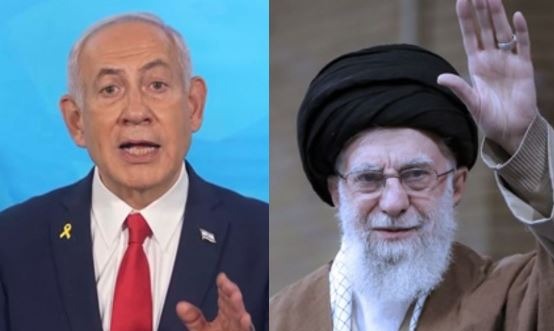
The long-standing war of words between Iran and the United States has escalated into an active, fiery conflict. Following a series of failed negotiations and the continuous deployment of U.S. warships to the Middle East, the inevitability of war—which many had predicted—has become a reality. Despite Iran issuing defensive warnings to both the U.S. and Israel, the situation has moved beyond rhetoric.
A massive offensive led by the United States and Israel has targeted various locations in Iran, including the capital, Tehran. In a swift response, Iran launched retaliatory strikes against U.S. military centers located within GCC countries. These counter-attacks are reportedly ongoing across U.S. bases in the UAE, Qatar, Bahrain, Kuwait, and Saudi Arabia, with additional reports of Iranian strikes targeting Israel directly.As these two regional powers engage in direct confrontation, it is essential to analyze the balance of power and their respective military capabilities.
The Strength of Military Personnel:
In terms of sheer numbers, Iran holds a significant advantage over Israel. Iran maintains a massive standing army of 6,10,000 active-duty personnel. This force includes 3,50,000 soldiers in the regular army and 1,90,000 members of the elite Islamic Revolutionary Guard Corps (IRGC). Furthermore, Iran can call upon a reserve force of 3,50,000.
In contrast, Israel has a smaller active-duty force of 1,69,500 personnel. However, Israel compensates for this with a highly organized and massive reserve force of 4,65,000, which can be mobilized rapidly during emergencies.
Defense Budget and Financial Investment:
While Israel has fewer personnel, it outspends Iran significantly when it comes to military technology and weaponry. In 2023, Israel’s defense budget stood at a staggering $27.5 billion. On the other hand, Iran’s defense spending was notably lower, totaling approximately $10.3 billion. This disparity highlights Israel’s reliance on high-tech warfare compared to Iran's focus on manpower.
Ground Forces and Land Warfare:
When evaluating ground-based combat capabilities, Iran appears to have the upper hand. Iran boasts a massive inventory of over 10,000 battle tanks and approximately 7,000 artillery pieces. Israel’s ground fleet is considerably smaller, consisting of roughly 400 battle tanks and 530 artillery guns.
Air Power and Superiority:
The aerial landscape tells a different story, with Israel holding a clear technological edge. Israel operates 345 state-of-the-art combat aircraft and 43 attack helicopters. While Iran possesses 312 aircraft, a majority of its fleet consists of older technology that may struggle against modern defenses. Additionally, Iran’s attack helicopter fleet is limited to just 5 units.
Naval Capabilities and Maritime Influence:
In the naval theater, Iran focuses on asymmetric warfare and control over the strategic Persian Gulf. Iran operates 17 strategic submarines and 68 patrol boats, giving it a formidable presence in the region's waterways. Israel’s naval force is more modest, consisting of 5 submarines and 49 patrol boats.
Advanced Air Defense Systems:
Israel is protected by one of the most sophisticated multi-layered air defense networks in the world. This includes the "Iron Dome" for short-range threats, "David’s Sling" for medium-range missiles, and the "Arrow System" for long-range ballistic threats.
Iran’s defense relies primarily on Russian-made S-200 and S-300 systems, alongside its domestically developed Bavar-373 system, to shield its airspace from incoming attacks.
Ballistic Missiles and Nuclear Capabilities:
The missile race is a critical component of this conflict. Iran possesses a diverse arsenal of ballistic missiles with ranges reaching up to 2,000 kilometers. However, Israel’s Jericho-3 missiles are capable of striking targets at much greater distances, with an estimated range of 4,800 to 6,500 kilometers.
Regarding nuclear capabilities, Israel is widely believed to possess approximately 90 nuclear warheads, though it maintains a policy of ambiguity. Iran currently does not possess nuclear weapons, but international observers suggest that their nuclear program is progressing at a rapid pace.
The Final Verdict:
In summary, the two nations present a study in contrasts. Iran leads in terms of manpower, ground force size, and regional naval presence. Conversely, Israel maintains a distinct advantage in advanced military technology, air superiority, and strategic nuclear deterrence.
Comments (0)
Disclaimer: "The website reserves the right to moderate, edit, or remove any comments that violate the guidelines or terms of service."RELATED NEWS

സുരക്ഷ ശക്തമാക്കി കുവൈത്ത് ആഭ്യന്തര മന്ത്രാലയം; ആറ് ഗവർണറേറ്റുകളിലായി 600 പട്രോളിംഗ് സംഘങ്ങളെ വിന്യസിച്ചു
Kuwait
• 8 days ago
മണിപ്പൂർ വീണ്ടും കത്തുന്നു: വെടിവെപ്പിൽ രണ്ട് മരണം; കുട്ടികളുടെ കൊലപാതകത്തിൽ എൻഐഎ അന്വേഷണം
National
• 8 days ago
പിണറായി വിജയനെ 'നീ' എന്ന് അഭിസംബോധന ചെയ്യാനുള്ള ഔദ്ധത്യം രേവന്തിന് എങ്ങനെയുണ്ടായി; തെലങ്കാന മുഖ്യമന്ത്രിയുടെ പരിപ്പെടുക്കുമെന്ന് നികേഷ് കുമാര്
Kerala
• 8 days ago
ഷാർജയിൽ പുതിയ ഇവി ചാർജിംഗ് നിയമം പ്രാബല്യത്തിൽ: നിയമലംഘകർക്ക് 10,000 ദിർഹം വരെ പിഴ
uae
• 8 days ago
ഐപിഎൽ എന്റെ ക്രിക്കറ്റ് കരിയർ നശിപ്പിച്ചു: വെളിപ്പെടുത്തലുമായി ഇതിഹാസം
Cricket
• 8 days ago
പട്ടാമ്പിയിൽ കൊട്ടിക്കലാശത്തിനിടെ സംഘർഷം: കല്ലേറും കൂട്ടത്തല്ലും; പൊലിസുകാരനടക്കം അഞ്ച് പേർക്ക് പരുക്ക്
Kerala
• 8 days ago
ഇറാനിൽ ഇസ്റാഈൽ വ്യോമാക്രമണം: റെയിൽവേ പാലം തകർത്തു; ട്രംപിന്റെ സമയപരിധി അവസാനിക്കാനിരിക്കെ യുദ്ധഭീതിയിൽ പശ്ചിമേഷ്യ
International
• 8 days ago
കുവൈത്തിന് നേരെ വൻ വ്യോമാക്രമണം; 14 മിസൈലുകളും 46 ഡ്രോണുകളും തകർത്തു
Kuwait
• 8 days ago
തുർക്കിയിലെ ഇസ്റാഈൽ കോൺസുലേറ്റിന് നേരെ വെടിവെപ്പ്; ആക്രമണകാരികൾ കൊല്ലപ്പെട്ടു
International
• 8 days ago
വി അബ്ദുറഹ്മാന്റെ പാകിസ്താന് പരാമര്ശം; തെരഞ്ഞെടുപ്പ് കമ്മീഷനും, പൊലിസിലും പരാതി നല്കി യുഡിഎഫ്
Kerala
• 8 days ago
ബഹ്റൈനിലെ സൈബര് തട്ടിപ്പ്: വ്യാജ ലിങ്കുകള് വഴി പണം തട്ടുന്നു
bahrain
• 8 days ago
2026 ഐപിഎൽ കിരീടം അവർക്കുള്ളതാണ്: പ്രവചനവുമായി സെവാഗ്
Cricket
• 8 days ago
മോശം പെരുമാറ്റം മൂലം ജോലിയിൽ നിന്ന് പിരിച്ചവിട്ടു; കമ്പനിയിൽ നിന്നും നഷ്ടപരിഹാരം ആവശ്യപ്പെട്ട മുൻജീവനക്കാരന് പണികൊടുത്ത് ദുബൈ കോടതി
uae
• 8 days ago
സാധാരണത്തിന് മുകളില് താപനില; ഏപ്രിലില് ഒമാനില് മഴയ്ക്ക് സാധ്യത
oman
• 8 days ago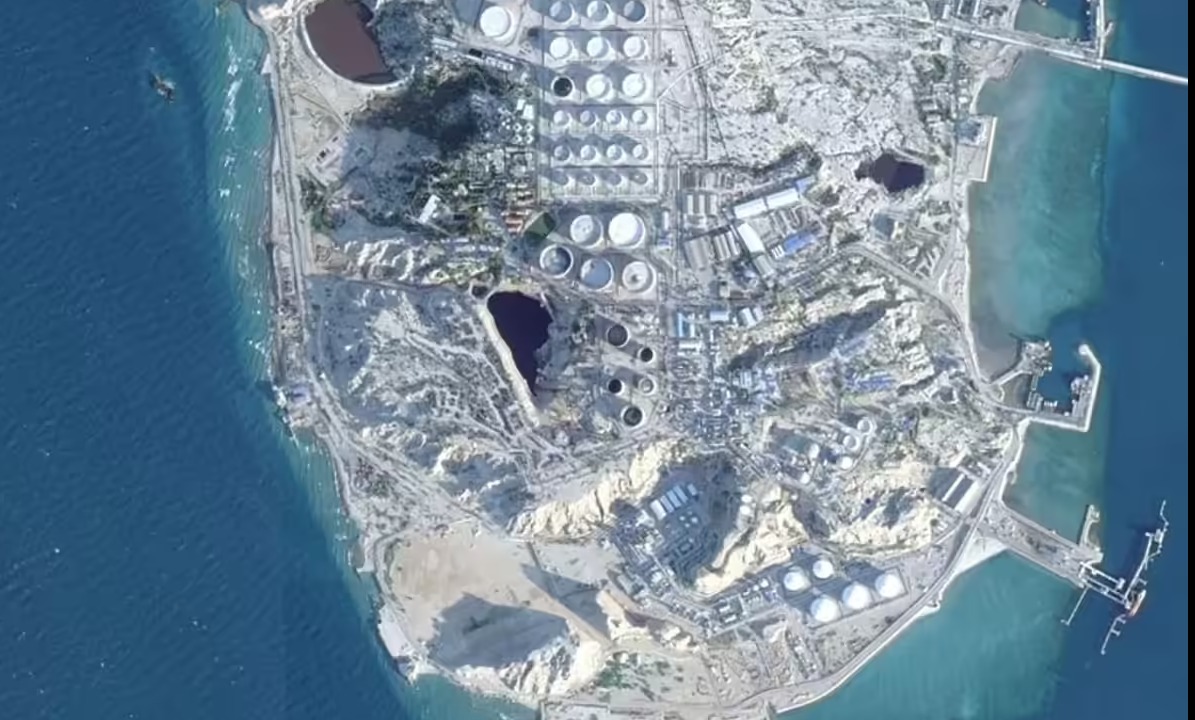
ഇറാനിൽ വൻ സ്ഫോടനം; ഖാർഗ് എണ്ണ ടെർമിനലിന് നേരെ ആക്രമണമെന്ന് റിപ്പോർട്ട്
International
• 8 days ago
ഓസ്ട്രേലിയൻ ക്രിക്കറ്റ് ഇതിഹാസം ഡേവിഡ് വാർണർ അറസ്റ്റിൽ; അനുവദനീയമായ പരിധിയിലും ഇരട്ടിയിലധികം മദ്യപിച്ച് വാഹനമോടിച്ചതിനാണ് അറസ്റ്റ്
Cricket
• 8 days ago
ചെന്നൈയുടെ ഏറ്റവും വലിയ പ്രശ്നം അവനാണ്: ഇർഫാൻ പത്താൻ
Cricket
• 8 days ago
ഷാർജയിൽ ടെലികമ്മ്യൂണിക്കേഷൻസ് കമ്പനി കെട്ടിടത്തിന് നേരെ മിസൈൽ ആക്രമണം; രണ്ട് പേർക്ക് പരുക്ക്
uae
• 8 days ago


പെണ്കുട്ടിയെ വാഹനമിടിച്ച് രക്ഷപെടാന് ശ്രമം ; പ്രവാസിയെ അറസ്റ്റ് ചെയ്ത് ആര്.ഒ.പി
oman
• 8 days ago
പോരാട്ടം സഞ്ജുവും ബുംറയും തമ്മിൽ; വമ്പൻ നേട്ടത്തിനരികെ ഇന്ത്യൻ ലോകകപ്പ് ഹീറോസ്
Cricket
• 8 days ago
'ഒരു നാഗരികത തന്നെ ഇല്ലാതാകും'; ഇറാനെതിരെ ഭീഷണിയുമായി ട്രംപ്: പശ്ചിമേഷ്യ യുദ്ധ ഭീതിയിൽ
International
• 8 days ago